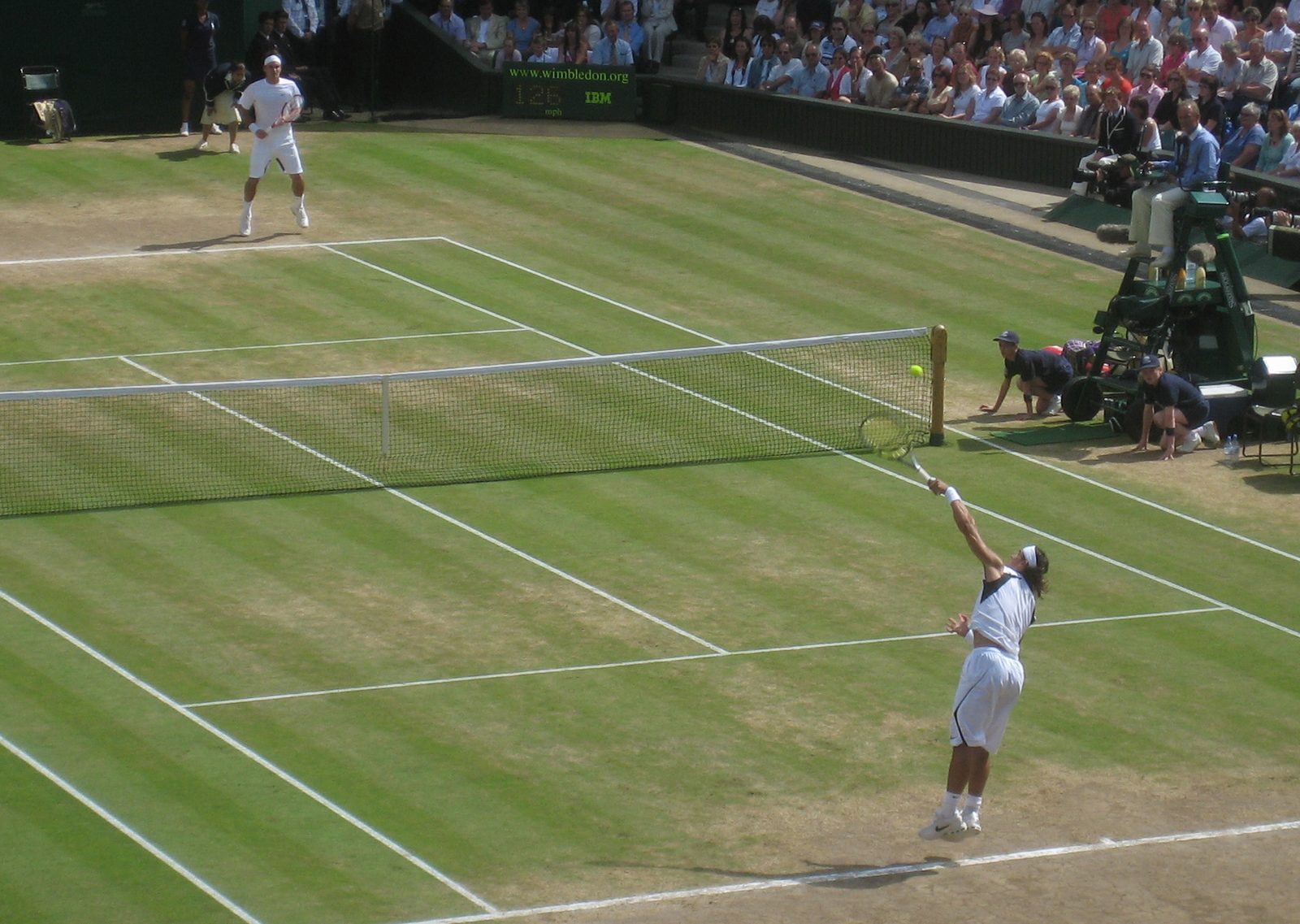
Roger Federer had won the previous five Wimbledon titles. Rafael Nadal had lost the last two finals to him, and had beaten him at Roland Garros a month earlier without dropping a set.
The match
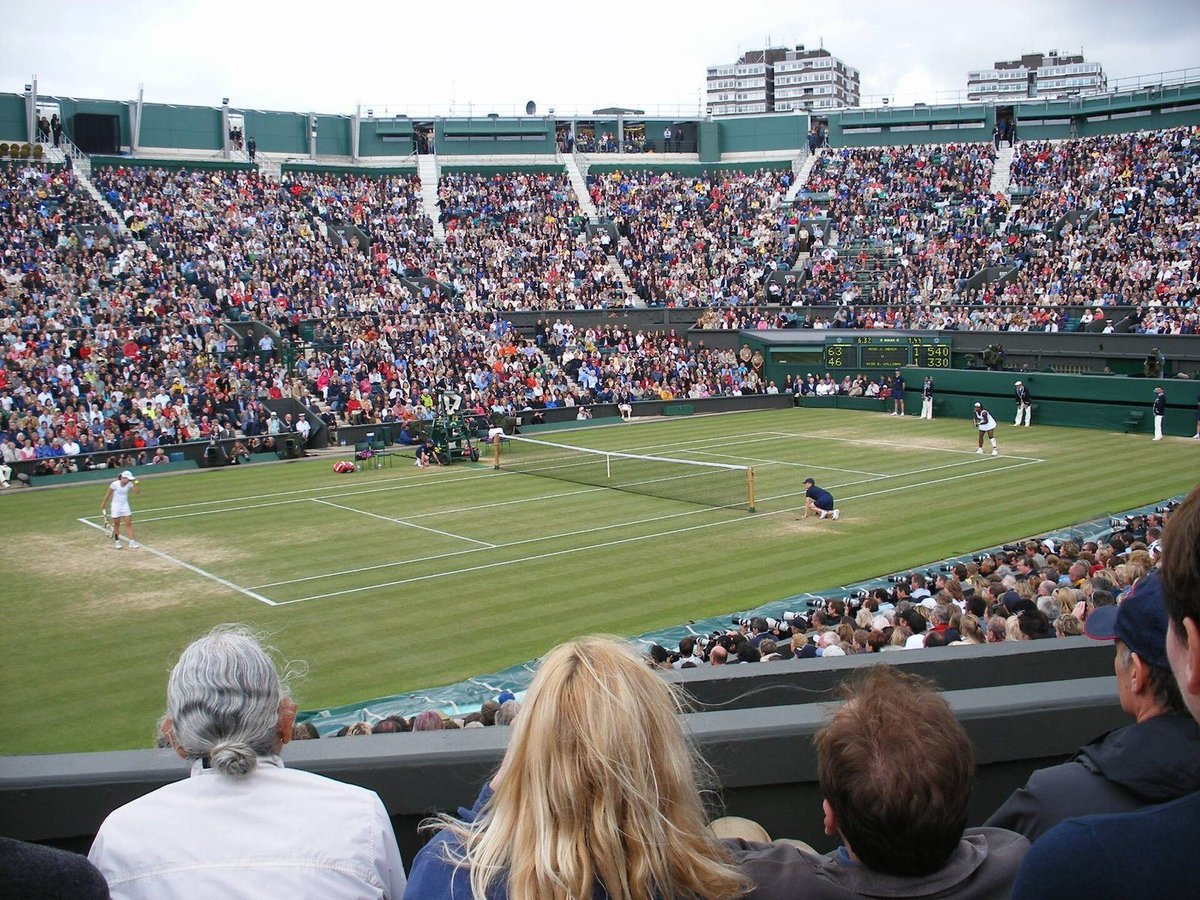
Nadal won the first two sets. Federer saved two championship points in the fourth-set tie-break and took it 10-8. Two rain delays broke the rhythm of the fifth. Nadal won it 9-7 at 9.15 in the evening, in light poor enough that play could not have gone much further.
Four hours and forty-eight minutes of play made it the longest Wimbledon final at the time.
Why it endures
Partly the quality, which was extremely high in the fourth and fifth sets rather than throughout. Mostly because it resolved something. Nadal was, until that evening, a clay-court player who competed elsewhere. He won Wimbledon again the following year he entered, and the Olympic gold in Beijing weeks later, and went to number one in August.
Federer won Wimbledon twice more. But the assumption that grass belonged to him did not survive the summer.