Eliud Kipchoge covered 42.195 kilometres in 1 hour 59 minutes and 40.2 seconds in Vienna on 12 October 2019. It was not ratified as a world record and was never intended to be.
What made it possible
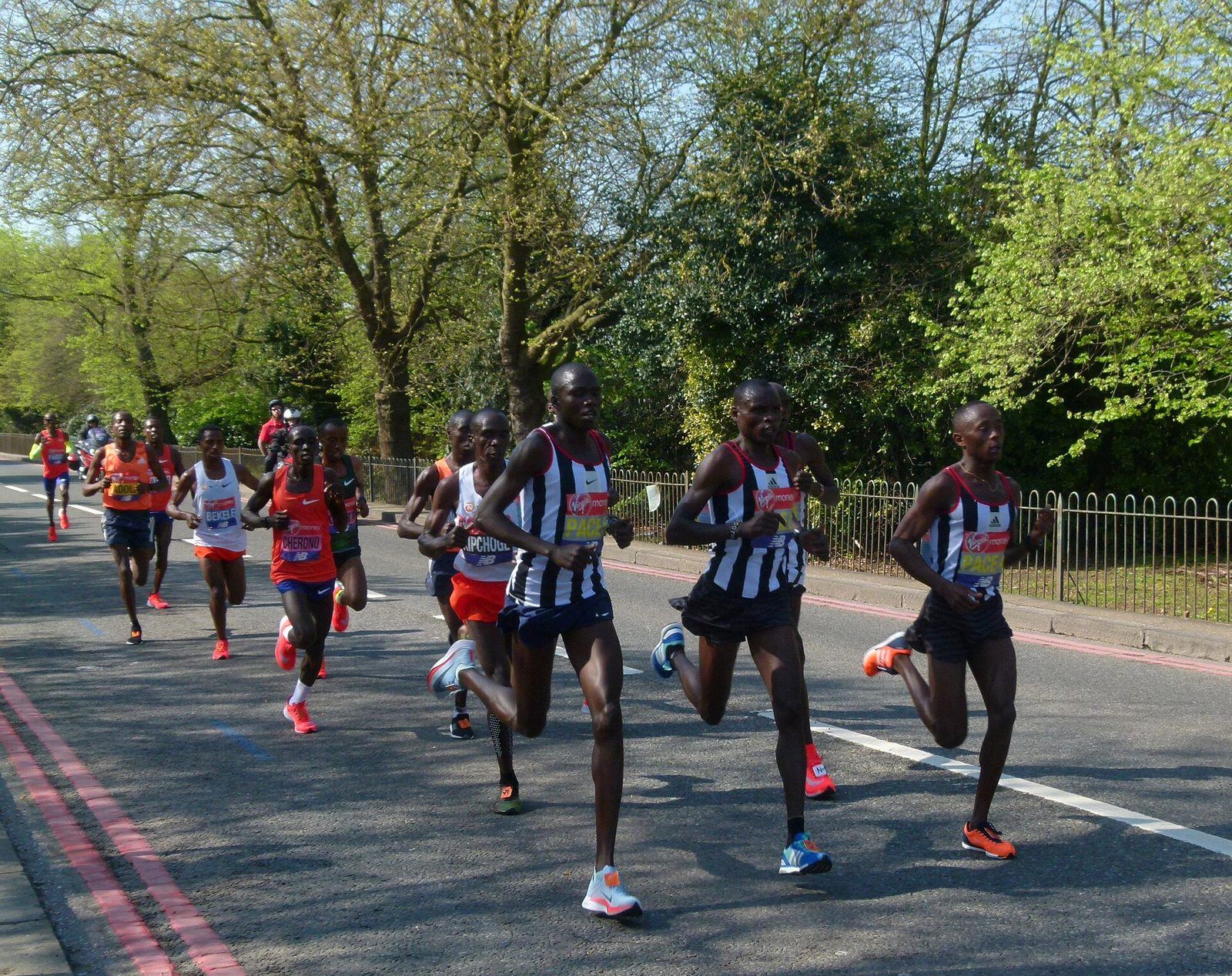
A rotating team of 41 pacemakers running in a formation designed to reduce drag, a car projecting a laser line onto the road to set the pace, drinks delivered by bicycle rather than collected from a table, a flat closed circuit and a start time chosen for temperature.
Each of those breaks a competition rule. Together they are worth, by most estimates, somewhere between one and two minutes over the distance.
What it still demonstrated
That the physiological barrier people had assumed existed did not. Kipchoge’s official world record at the time was 2:01:39, set in Berlin in 2018 under ordinary conditions; he lowered it to 2:01:09 in 2022. The gap between what a person can do in a race and what one can do in a laboratory-grade setup is now a known quantity rather than a mystery.
The honest framing is the one Kipchoge used: an exhibition that proved a point, not a race that he won.