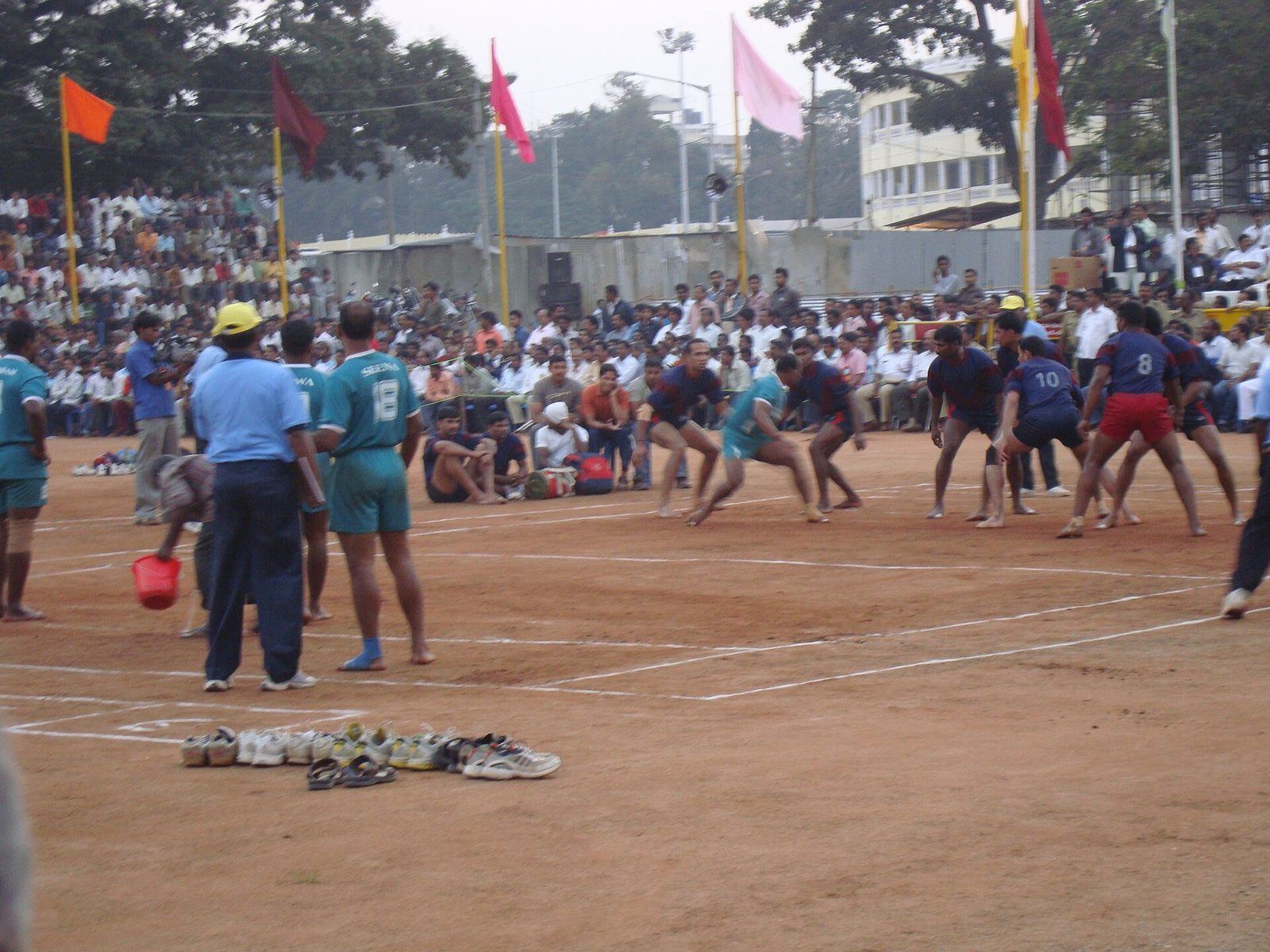
Kabaddi is played without equipment on a court smaller than a tennis court, and a raid lasts thirty seconds. Those three facts are why it worked on television when almost no other traditional Indian sport has.
The format decision
Pro Kabaddi launched in 2014 with matches of two twenty-minute halves, a thirty-second raid clock and a points system that rewards attacking. A broadcast fits inside an hour with advertising, needs two cameras rather than twenty, and requires no explanation beyond one sentence.
Viewership in the first seasons put it second only to the Indian Premier League among Indian leagues, which surprised almost everyone including the organisers.
Where the strain is
The audience arrived faster than the structure beneath it. Most professional players still come through state and railway teams rather than an academy system, and the number of players capable of raiding at league standard is small enough that squads compete for the same fifty or so athletes.
That is a solvable problem and an expensive one. It is also the difference between a league that is popular for a decade and one that lasts.