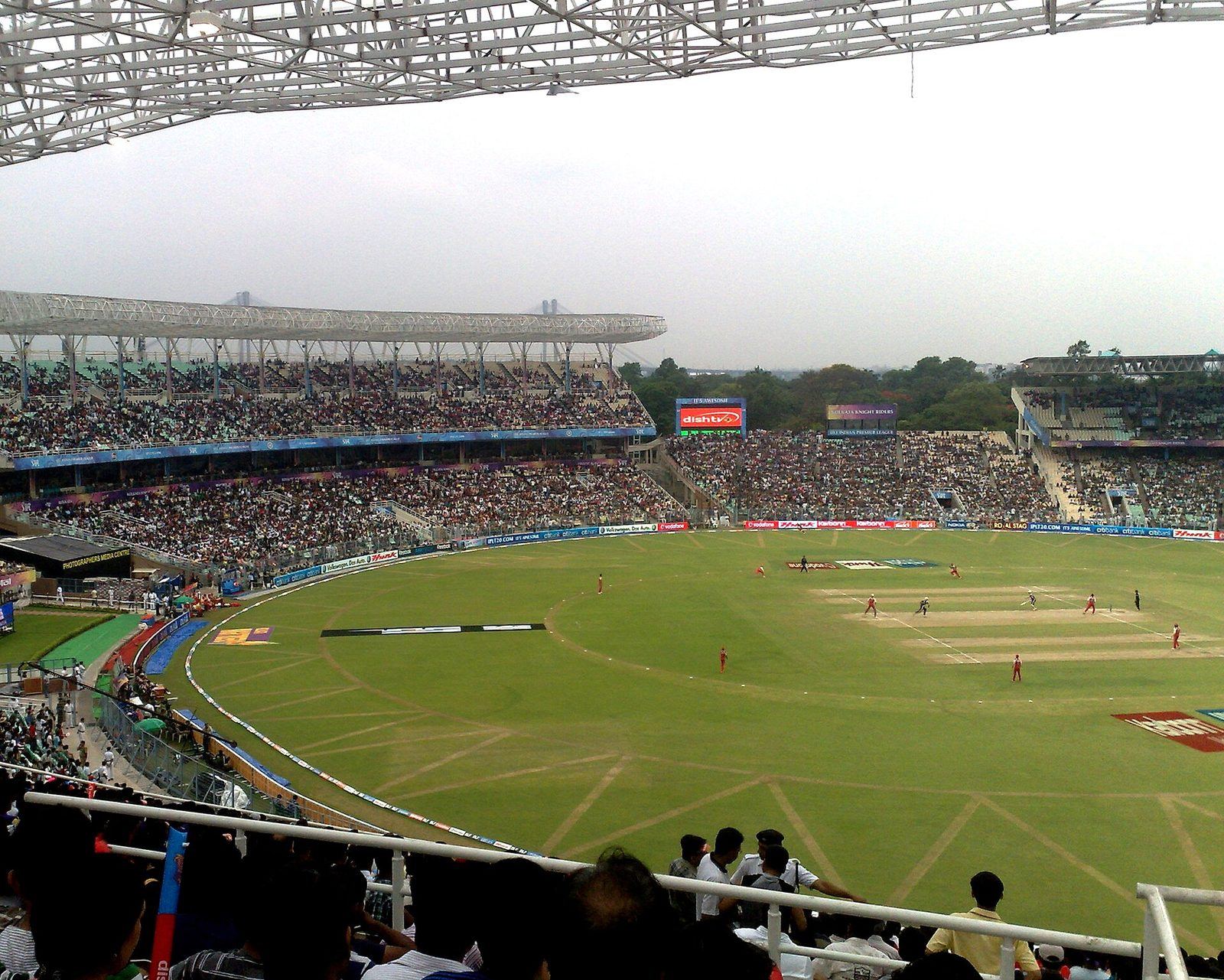
Australia arrived in Kolkata in March 2001 on a run of sixteen consecutive Test wins. They bowled India out for 171, made 445 themselves, and enforced the follow-on. Nothing about the first three days suggested the streak was in danger.
The fourth day
VVS Laxman and Rahul Dravid batted through all of it. They put on 376 for the fifth wicket without being separated once between lunch on day four and the morning of day five. Laxman made 281, then the highest score by an Indian in Tests. Dravid made 180 from number six, a position he had not asked for.
The finish
India declared on 657 for seven and left themselves 75 overs. Harbhajan Singh, who had taken a hat-trick in the first innings, took six more in the second. Australia lost by 171 runs, having been ahead by 274 on the first innings.
It is one of three occasions in the history of Test cricket that a side has won after following on. What it settled was less technical than that: for the rest of that decade, an Australian team that beat everybody else could not reliably beat India in India.