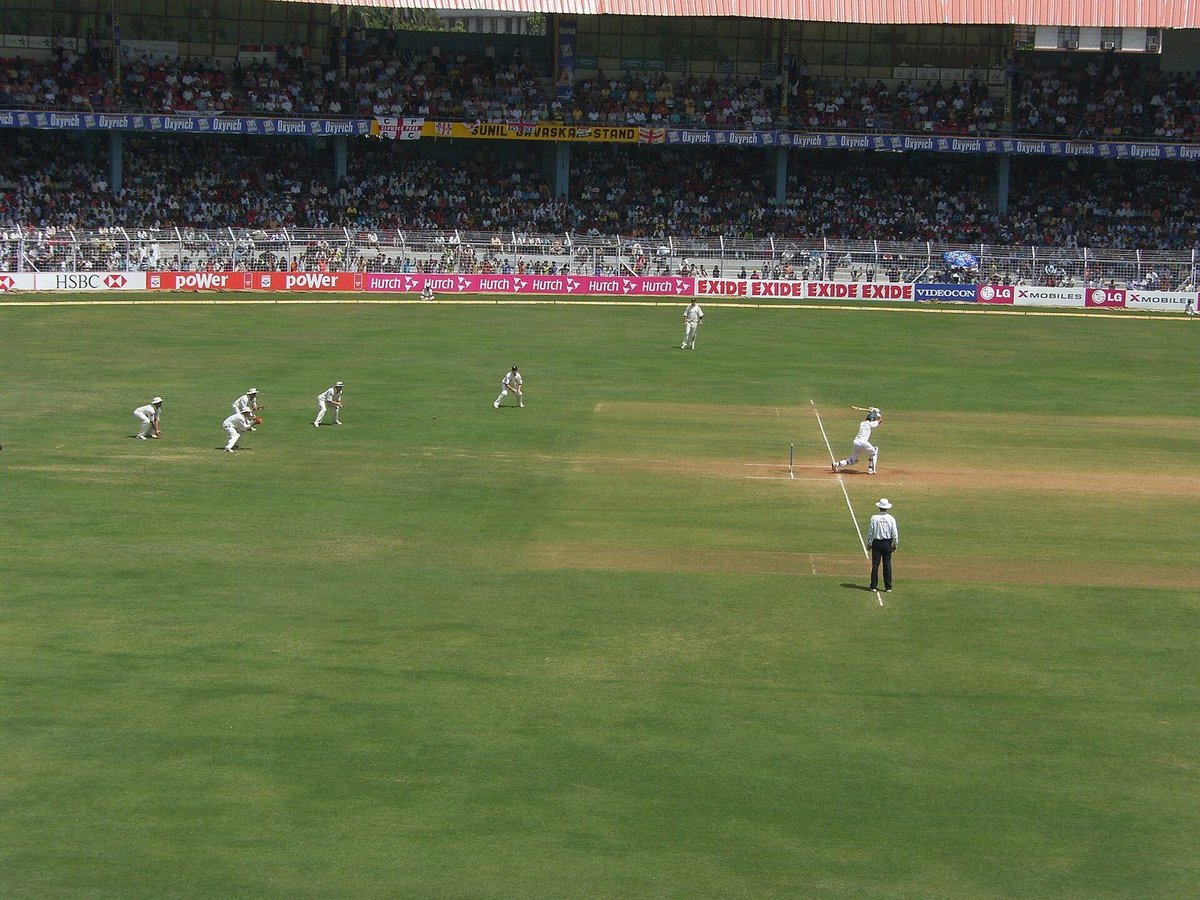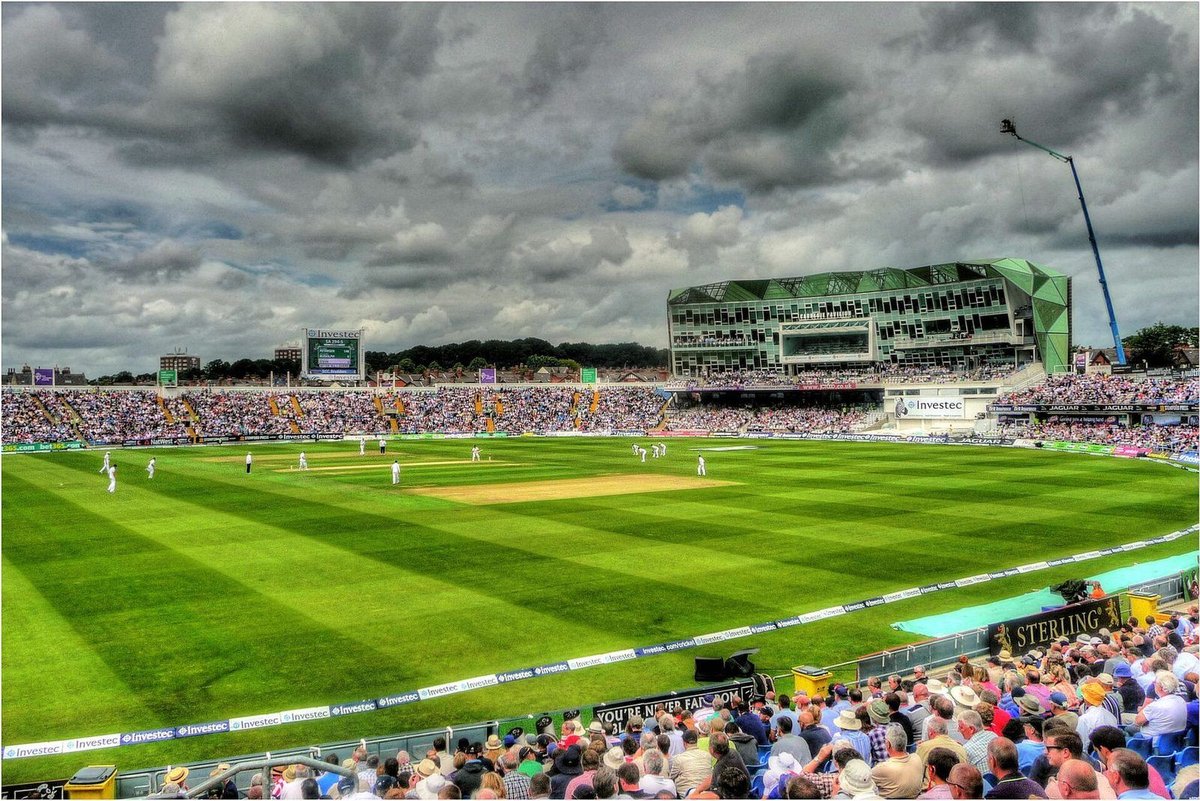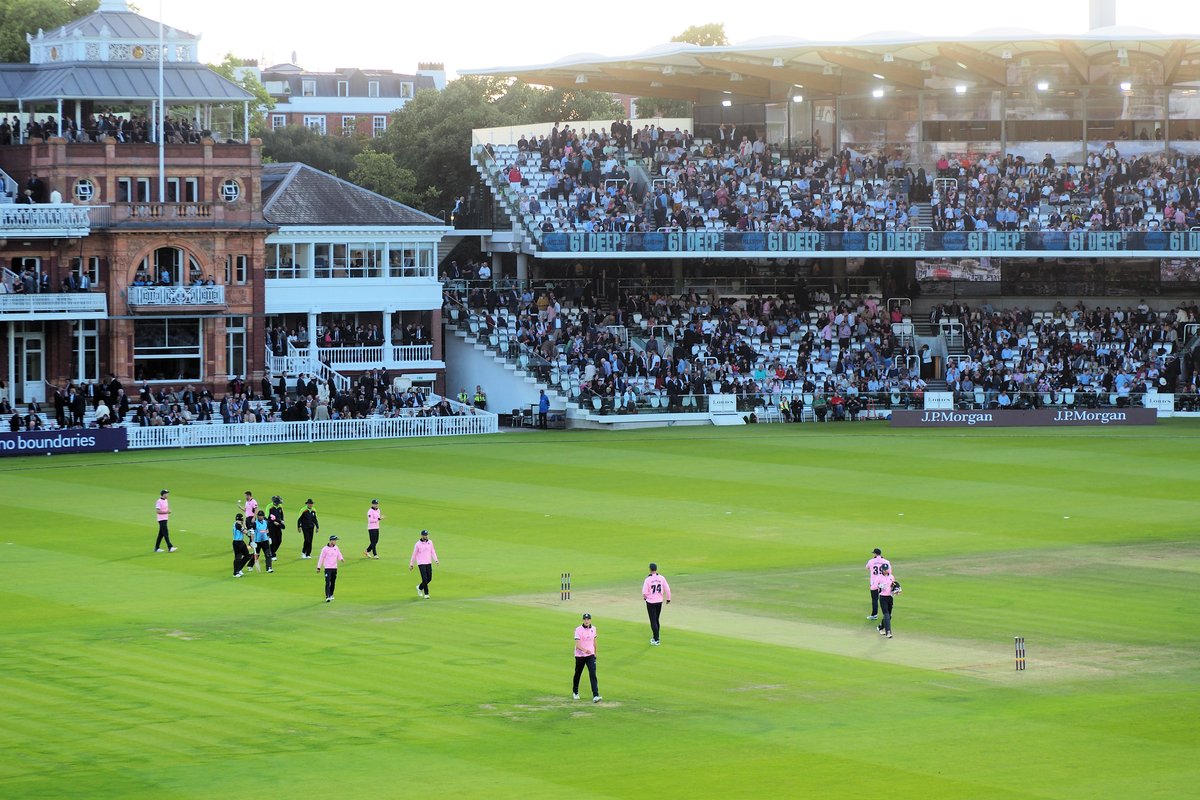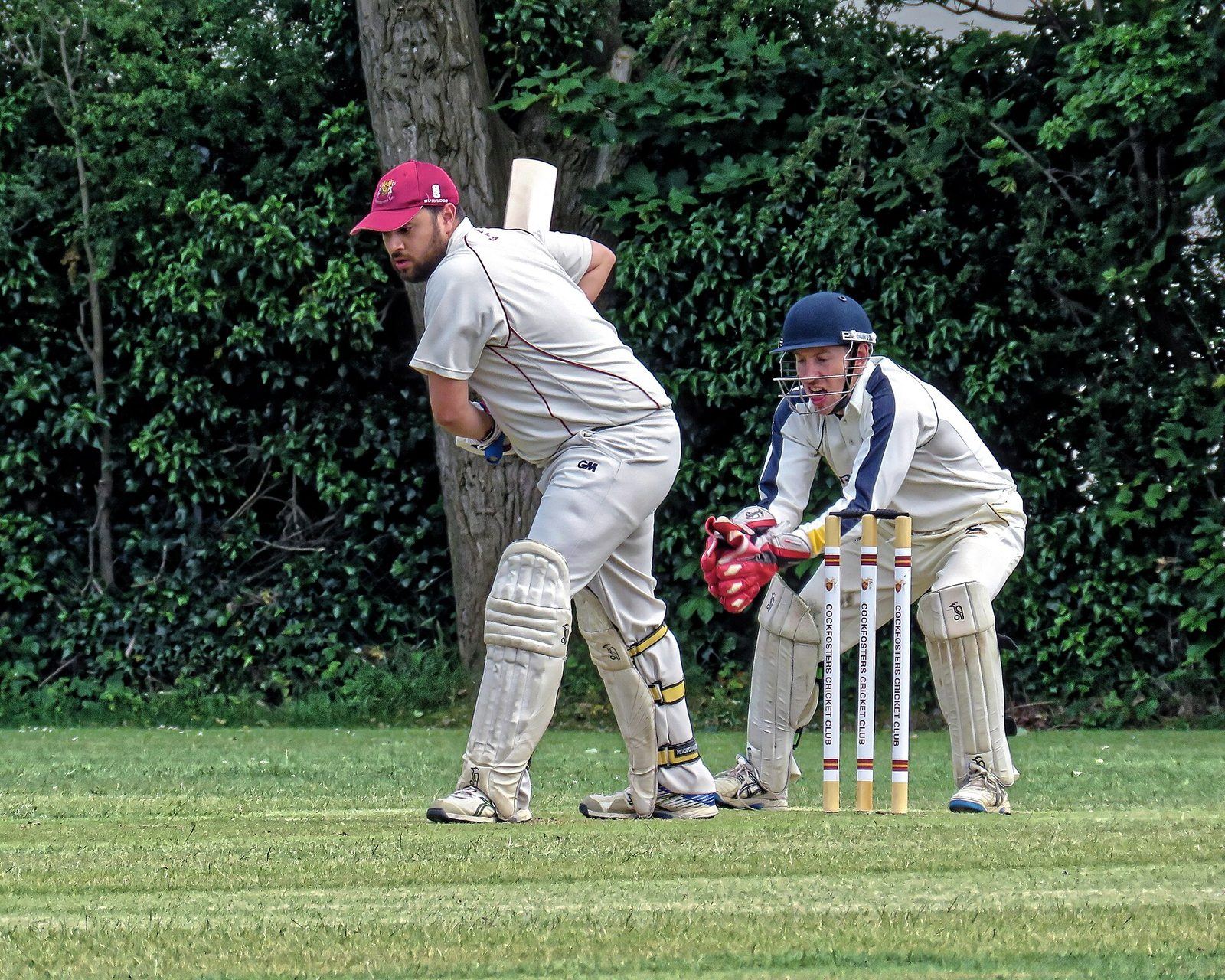
For the first six overs of a Twenty20 innings only two fielders may stand outside the thirty-yard circle. It is the only phase of the game in which the gaps are guaranteed rather than earned, and for most of the format’s history sides used it to survive.
The change
Scoring rates in the powerplay have risen across every major league, and the rise is not evenly distributed. It is concentrated in teams with an opener who attacks square of the wicket, because that is where the two permitted boundary riders cannot both be.
The cost of getting it wrong
An opener who scores at nine an over through the powerplay and gets out in the seventh is worth more than one who scores at seven and bats to the fifteenth. That is a genuinely counter-intuitive result and it took the market a decade to price it.
The trade-off is real: attacking hard with two fielders out means losing wickets, and a side three down after six overs has a middle order playing a different, slower game than the one it was picked for. The best teams accept that and pick a middle order that can rebuild. The rest attack, collapse, and conclude that the powerplay is dangerous.